African Americans Who Changed the Fashion Game
By Ashley Geller
There are countless players in fashion who have had their major impacts in the industry. This week we highlight the African American designers, creatives, and visionaries who all had their own special impact on the fashion world. From the early 1900s to the modern day fashion market, we see the importance of their impacts and pay homage to the history they have created.
Zelda Wynn Valdes
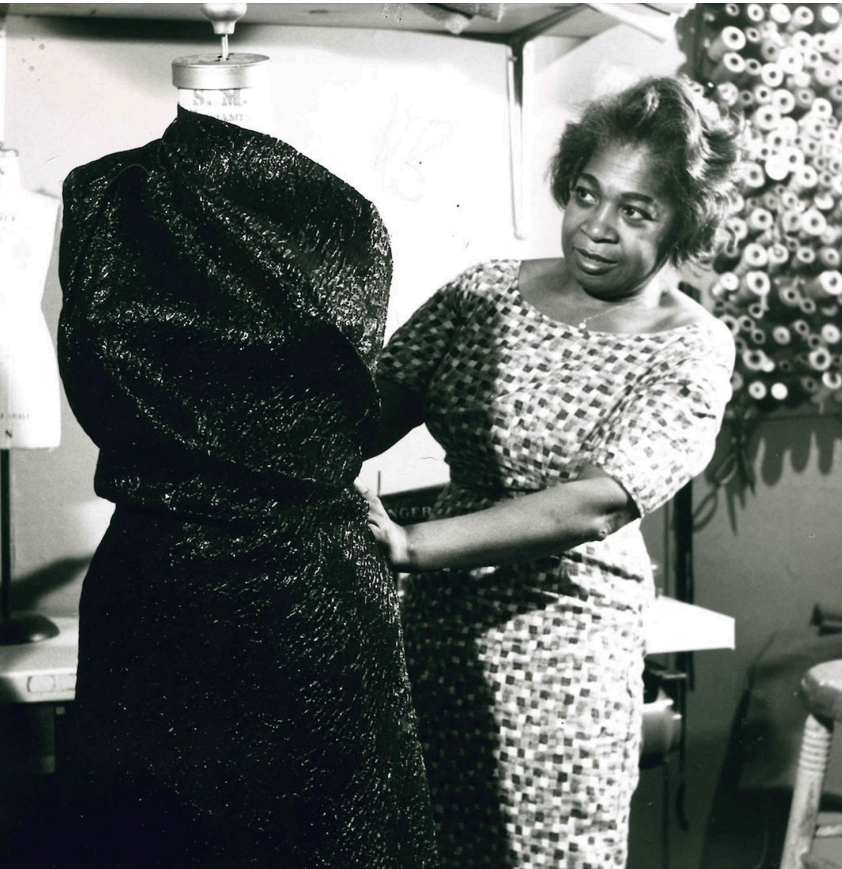
Born in 1905, Zelda Wynn Valdes was a designer who knew that garments should fit us perfectly, rather than we change ourselves to fit into them. Valdes made a name for herself by dressing many celebrities in her time. Her career started out as a seamstress who had high ambitions to see what she was capable of accomplishing. Through her experience, she was able to open her own boutique named Zela Wynn. She focused on elegant and feminine silhouettes, creating eveningwear, bridal gowns, and custom hand beading. Her boutique became a place catering to Black women and socialites looking for quality custom fashion pieces. Valdes went on to form the National Association of Fashion and Accessories Designers in 1949 to uplift her fellow Black designers and promote equal opportunity. Valdes was able to create an impressive brand and legacy for herself in a time when discrimination and societal norms did not play in her favor. Valdes’s story is inspiring and teaches us not to let oppression get in the way of our ambitions.
Virgil Abloh
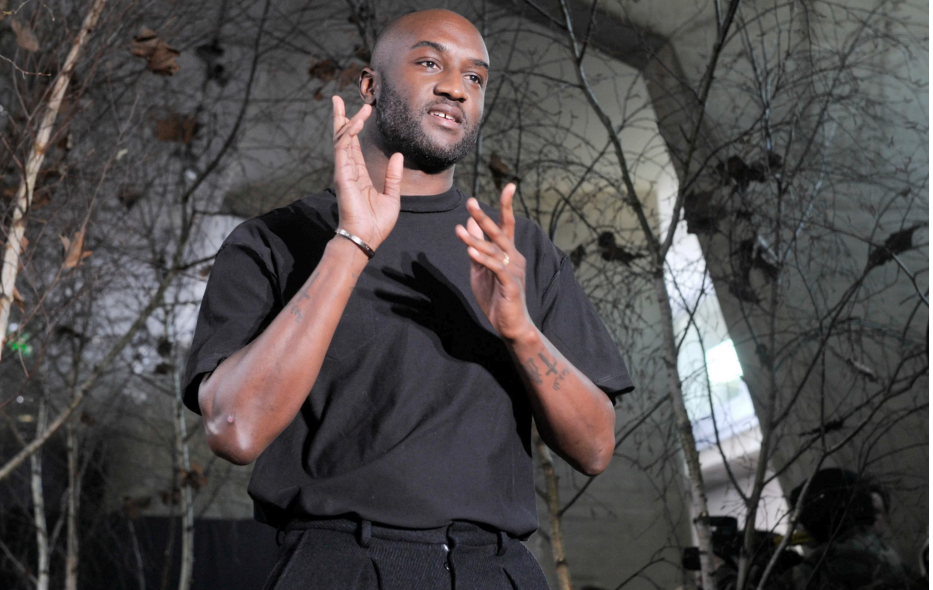
Redefining luxury fashion and what the men's sector looks like, Vergil Abloh grew up in suburban Chicago, loving streetwear fashion. Abloh took this passion and worked his way up through the industry before his tragic passing in 2021. Abloh first gained recognition working for Kanye West as an assistant. Taking off from there, he started the brand Off-White and quickly gained the attention of the luxury sector. Abloh’s unique creative strategy consisted of building the idea for a brand long before thinking of the actual product. This innovative thinking gave value and allure to his brand before pieces were even sold. Abloh's impact on fashion made it so he could resurface preexisting ideas and designs and turn them into something fresh for the public. After years in the industry and a successful collaboration with Nike, Abloh garnered the attention of Louis Vuitton, becoming the head of men's creative direction. Abloh's vision was to be one that pushed Louis Vuitton into the future. Increasing efforts of diversity opportunities, sustainability, and streetwear-focused fashion, Abloh left a strong impact on Louis Vuitton and the luxury industry as a whole because of his innovative vision that inspired a new future for fashion.
Beverly Johnson
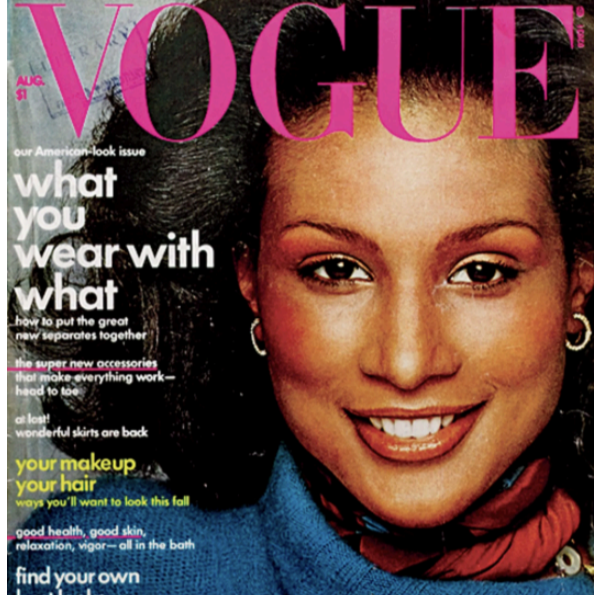
When you think of high fashion models today, there is a wide array of racial diversity and inclusion. Beverly Johnson was a trailblazer for the models we see today, being the first Black woman on the cover of Vogue in 1974. After graduating high school, Johnson was scouted by Glamour magazine and went on to make appearances in hundreds of global fashion magazines. This pushed Johnson into larger levels of fame, where she released her own music album, appeared in television series, and eventually launched a brand of her own. Johnson’s Vogue cover was so special at the time because it didn't aim to hide her race or disguise who she was. The cover aimed to feature her as an everyday beautiful woman, without painting her as an outsider. Following the success of the cover, it became mainstream for magazines to feature women of color on their covers, changing the industry for good and for the better. Beverly Johnson defied racial barriers and changed the way the modeling industry features diversity. Johnson's career today is that of an entrepreneur and philanthropist who continues to advocate for diversity and inclusion in the fashion world and our society overall.
Stephen Burrows
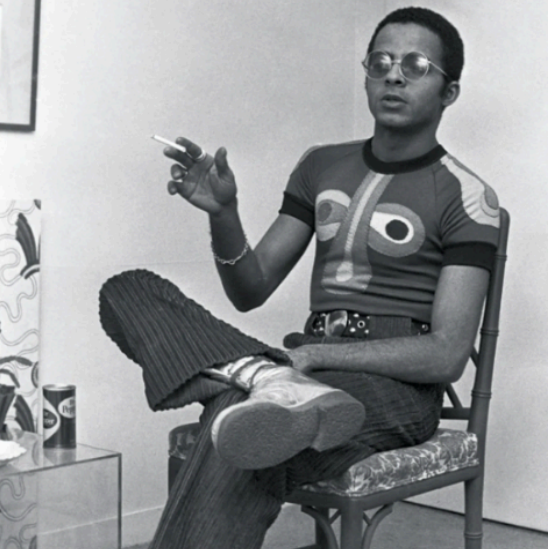
Being born into a family of sample makers, Stephen Burrows foundation in fashion was set up for him at an early age. Born in 1943, Burrows grew up in New Jersey and went from sketching dresses in his adolescence to graduating from the Fashion Institute of Technology. Co-founding the “O” boutique, Burrows designs began gaining immense popularity, which led him to being spotlighted on Vogue and given his own personal boutique in Manhattan. His designs appealed to the era of disco, utilizing color blocking and flashy looks. He became the top disco designer, having his pieces worn by Diana Ross, Farrah Fawcett, and Grace Jones. Burrows was not afraid to express his originality in design, being experimental with fabrics and silhouettes, Burrows differentiated himself from other designers. Bringing Burrows to international fame, he designed on the runways for the Palace of Versailles to showcase American fashion. Following that, Burrows won award after award and became the first Black designer to win the Coty award. Burrows' career continued to succeed and flourish while he went through different phases of companies and designs. His career continues on today, where he still has a strong voice in the industry and serves as a touchpoint of classic disco fashion.